Christmas magic for kids — Why children can dream again at Christmas
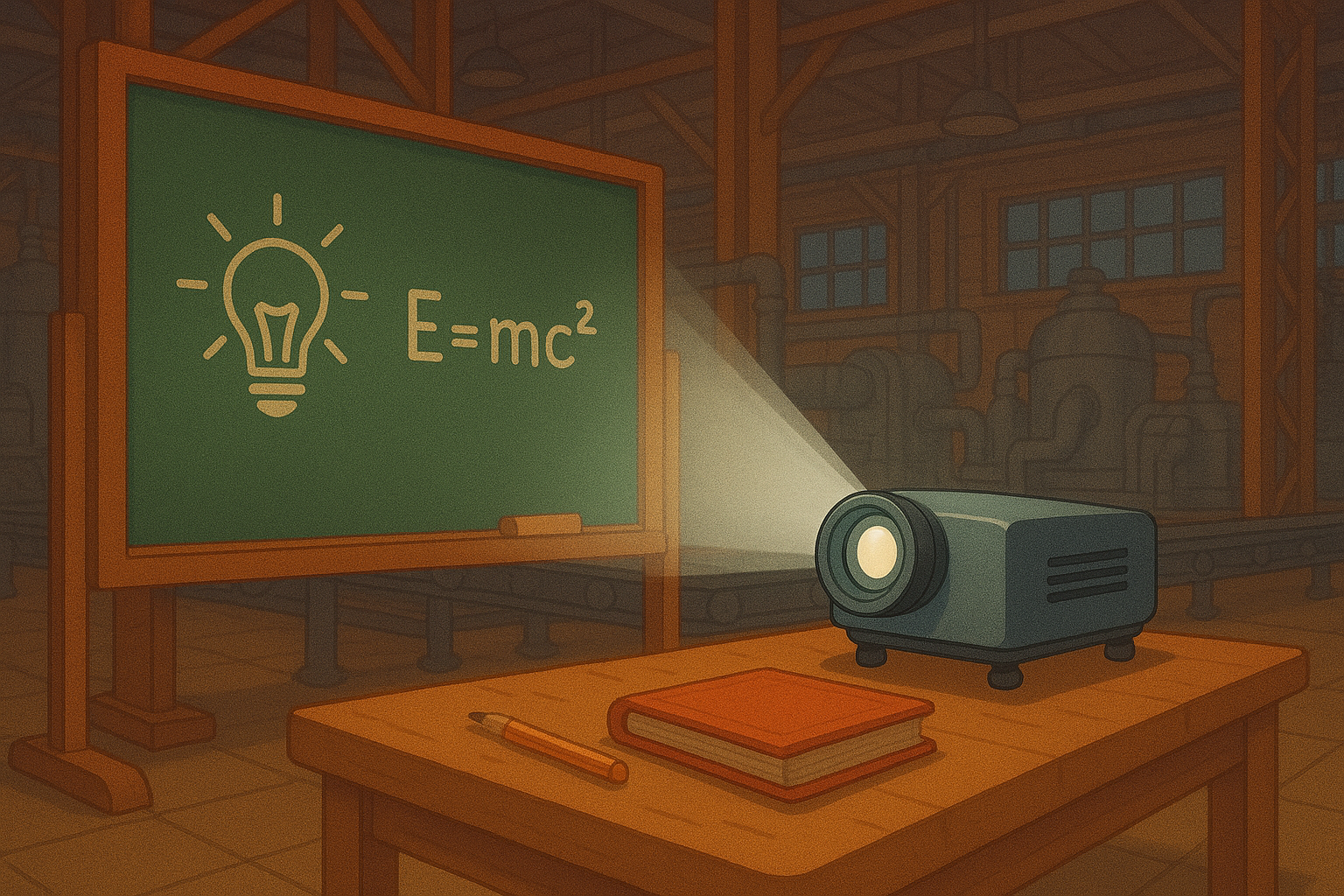
Christmas magic for kids is not about grand displays or expensive toys. It is about small rituals that open the door to wonder. In Singapore, where apartments are cozy and schedules tight, you can still create deep, emotional moments. Start with light. A soft glow changes the mood. A story read under warm light feels different than the same story under harsh fluorescents. Add a simple projection and the wall becomes a sky, a forest, or a snowy street. Kids notice. They listen more. They ask questions. Use short, slow sentences. Let the rhythm be gentle. That pace helps children relax and imagine. Keep the scene simple. A single projected star field does more to kindle wonder than a noisy parade of effects. Repeat the ritual. Repetition builds safety. Safety invites fantasy. That is the quiet power of projection and story together. They let children practice wonder in a safe space.
Why imagination matters for emotional growth
Christmas magic for kids supports emotional development in natural ways. When children imagine, they test feelings. They try being brave. They try being kind. Projection and light give them a stage to play emotions without real risk. That practice helps them name feelings. It helps them manage fear. Short scenes help too. Read a two-minute story with a glowing projector. Pause. Ask a simple question. Let your child respond. These tiny interactions strengthen empathy. They also build memory. Families in Singapore often juggle many activities. A quiet nightly ritual creates an anchor. The anchor becomes a touchstone for calm. It reassures children that wonder is welcome. It tells them that their inner world is valuable. That message teaches resilience. Resilient kids cope better with change. They sleep easier. They wake curious. So, think of light and storytelling as tools. Use them often. Use them lovingly. The effects multiply with time.
How light and projections spark curiosity
Christmas magic for kids uses light to focus attention. A beam on the ceiling turns the ceiling into a map. Shadows become actors. Movement catches the eye. The brain loves patterns. Simple moving images make it easy for children to follow a story. Choose gentle projections. Snowflakes, slow stars, and soft animals are perfect. Combine projection with sound and a short story. Keep audio low. The goal is wonder, not distraction. In Singapore's humid nights, a cool, quiet room feels cozy. Use that mood to encourage questions. Let children invent endings. Ask them, "What happens next?" When they answer, their confidence grows. You are teaching creativity in a playful way. You are also strengthening the parent-child bond. These moments are safe practice for later social challenges. They teach kids that their ideas matter and that home is a place where imagination is honored.
Practical ideas for busy families in Singapore
Christmas magic for kids fits into short routines. Try a five-minute projection before bedtime. Pick one simple story for the week. Make it part of your weekday rhythm. On weekends, stretch the ritual. Invite grandparents or friends to watch. Use local landmarks as story prompts. Tell a tale about the hawker centre that turned into a cozy winter market. Use familiar settings to anchor fantasy in reality. That mix helps children connect two worlds. For apartments, choose a compact projector. Many models fit on a shelf or table. For outdoor balconies, you can project onto a sheet. Keep safety in mind with cords and heat. Use battery-powered lights when possible. Rotate themes to keep things fresh. Snow one week. Stars the next. Let kids help pick the scenes. That inclusion boosts ownership and excitement. Keep language simple. Ask one question at the end. Celebrate small responses. These small practices create a repeated cycle of wonder that stays with kids longer than large, infrequent displays.
Setting up storytelling and projection like a pro
Christmas magic for kids is easiest when you plan little details. Choose a quiet hour. Turn off bright room lights. Place the projector slightly behind and above your child so light falls softly. Use warm color tones. Warm light feels like a hug. Keep stories short and sensory. Mention smells and textures in the tale. Invite your child to close their eyes for a moment and imagine the scene in their mind. That strengthens inner visualization. If you use music, pick slow, instrumental tracks. Pause after a key sentence. Let the silence hold. That pause gives children space to create images inside their heads. After the story, ask a single open question like, "What would you name that star?" Praise creative answers. Repeat the ritual a few times a week. Watch for signs of joy and calm. Those are your best clues that the projection and story are working. Over time, these rituals help rebuild a world where dreaming is natural and safe.
Bringing everyday wonder home
Christmas magic for kids does not require perfection. It asks for presence. A soft projector, a short story, and your warm voice are enough. Keep plans realistic for busy Singapore life. Use small rituals that fit your schedule. Include the family. Let each person add one small idea. That way, the ritual becomes shared and beloved. Use light to mark transitions: from play to calm, from noise to rest. Celebrate curiosity often. When a child points to a projected star, join them. Ask what they see. Mirror their excitement. Those tiny acts build memory and trust. Over the years, these moments become stories you tell again. They become the kind of family lore that children carry into adulthood. So, start tonight. Turn down the lights. Project a gentle scene. Tell a short story. Watch how wonder spreads. You will find that when you invite imagination, children dare to dream again.
Popular projections